
Starting a claw machine business can look simple.
A machine, some prizes, and a good location may appear to be enough.
However, successful claw machine operations depend on many factors working together:
- Equipment investment
- Location quality
- Customer traffic
- Prize strategy
- Machine reliability
- Operating costs
- Maintenance support
The reality is that claw machine business profit is not determined by the machine alone.
A high-quality machine in the wrong location may perform poorly, while a well-planned setup with the right equipment, prizes, and audience can create a stronger return on investment.
This guide explains the key factors that influence claw machine ROI and how operators can make better purchasing and operational decisions.
Understanding Claw Machine Business Profit
A claw machine business generates revenue when customers pay for gameplay opportunities.
The basic profit model is:
Revenue – Operating Costs = Profit
However, the actual result depends on several variables.
Main Revenue Factors
Revenue is affected by:
- Number of players
- Play frequency
- Price per play
- Repeat customers
- Prize attractiveness
- Machine placement
A machine located near a high-traffic family area may have a completely different performance from the same machine placed in a low-traffic location.
Main Cost Factors
Typical costs include:
| Cost Category | Examples |
|---|---|
| Equipment | Machine purchase, shipping, installation |
| Location | Rent sharing, commission, venue fees |
| Prizes | Plush toys, gifts, collectibles |
| Maintenance | Spare parts and repairs |
| Operations | Staff, electricity, management |
| Marketing | Promotions and customer attraction |
How to Calculate Claw Machine ROI
A simple ROI calculation can help estimate business performance.
Basic Formula
ROI = (Total Revenue - Total Costs) ÷ Total Investment
For example, operators may evaluate:
- Initial machine investment
- Monthly revenue
- Monthly operating expenses
- Expected replacement and maintenance costs
However, ROI is not only about the purchase price.
Two machines with similar prices may produce different results because of:
- Different reliability
- Different player experience
- Different prize capacity
- Different maintenance requirements
Initial Investment Costs You Need to Consider
Before starting a claw machine business, buyers should consider the complete investment.
1. Machine Purchase Cost
The machine price depends on:
- Cabinet size
- Gameplay type
- Features
- Payment system
- Customization requirements
Commercial claw machines may include:
- Standard claw machines
- Mini claw machines
- Multi-player machines
- Specialty prize machines
2. Shipping and Installation
For international buyers, consider:
- Packaging
- Freight cost
- Import requirements
- Installation support
3. Prize Inventory
Initial prize investment is often overlooked.
Operators should consider:
- Prize quantity
- Prize variety
- Target customers
- Replacement frequency
A machine with attractive prizes is more likely to encourage repeat play.
Location Is One of the Biggest Profit Factors
A good machine cannot compensate for poor placement.
Location affects:
- Customer visibility
- Foot traffic
- Playing frequency
- Audience matching
High-Potential Locations
Common locations include:
- Shopping malls
- Family entertainment centers
- Cinemas
- Indoor playgrounds
- Restaurants
- Retail stores
Why Location Matters
A claw machine works best when customers:
- Have waiting time
- Are already in an entertainment mindset
- Can easily see prizes
- Feel comfortable trying multiple times
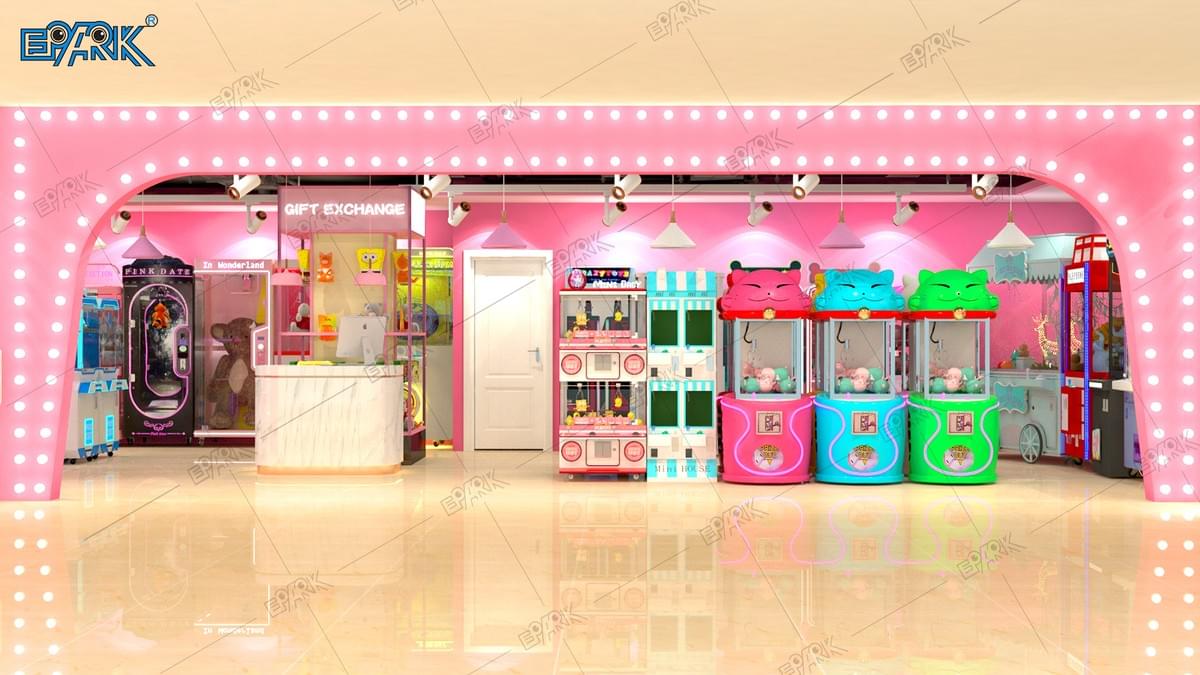
Prize Selection and Cost Control
Prize strategy directly affects customer motivation and operating costs.
Popular Prize Categories
Examples include:
- Plush toys
- Character merchandise
- Small collectibles
- Gift items
- Promotional products
Balance Prize Value and Cost
If prizes are too cheap:
- Customers may lose interest.
If prizes are too expensive:
- Profit margins may decrease.
Successful operators usually create a balance between:
- Attractive appearance
- Perceived value
- Actual cost
Change Prizes Regularly
Fresh prizes encourage repeat visits.
Seasonal themes can include:
- Holidays
- Special events
- Local trends
Machine Quality and Downtime Impact Profit
Many new operators focus on purchase price but ignore downtime.
A machine that frequently stops working can affect:
- Customer experience
- Revenue opportunities
- Maintenance costs
- Venue relationships
Important Equipment Factors
When selecting a machine, evaluate:
- Mechanical durability
- Control system stability
- Prize mechanism quality
- Maintenance access
- Spare parts availability
From a supplier perspective, commercial buyers often underestimate how much long-term operating cost is influenced by equipment reliability.
A machine that is easier to maintain may provide better operational value over time.
EPARK provides commercial claw machines and related prize equipment, with OEM/ODM customization and technical support capabilities for arcade and entertainment projects.
Pricing Strategy and Player Experience
Pricing should match:
- Location
- Customer group
- Prize value
- Competition
- Local market conditions
Avoid Looking Only at Price Per Play
Higher pricing does not always mean higher profit.
Customers evaluate:
- Is the game fun?
- Are prizes attractive?
- Is winning realistic?
- Does the machine look premium?
A good experience encourages repeat plays.
Different Business Models and Their ROI Factors
1. Arcade / FEC Operation
Advantages:
- Existing customer traffic
- Multiple entertainment options
- Longer customer visits
Important factors:
- Machine placement
- Game mix
- Prize zone design
2. Mall Rental Location
Important factors:
- Rental terms
- Foot traffic
- Audience matching
3. Independent Claw Machine Business
Important factors:
- Location negotiation
- Maintenance efficiency
- Machine management
Each model has different cost structures.
How Suppliers Influence Long-Term Profitability
Choosing a supplier affects more than the initial purchase.
A reliable claw machine manufacturer can support:
Equipment Selection
Helping buyers choose:
- Machine type
- Prize format
- Quantity
- Venue application
Customization
Including:
- Cabinet appearance
- Branding
- Payment systems
- Voltage configuration
Project Planning
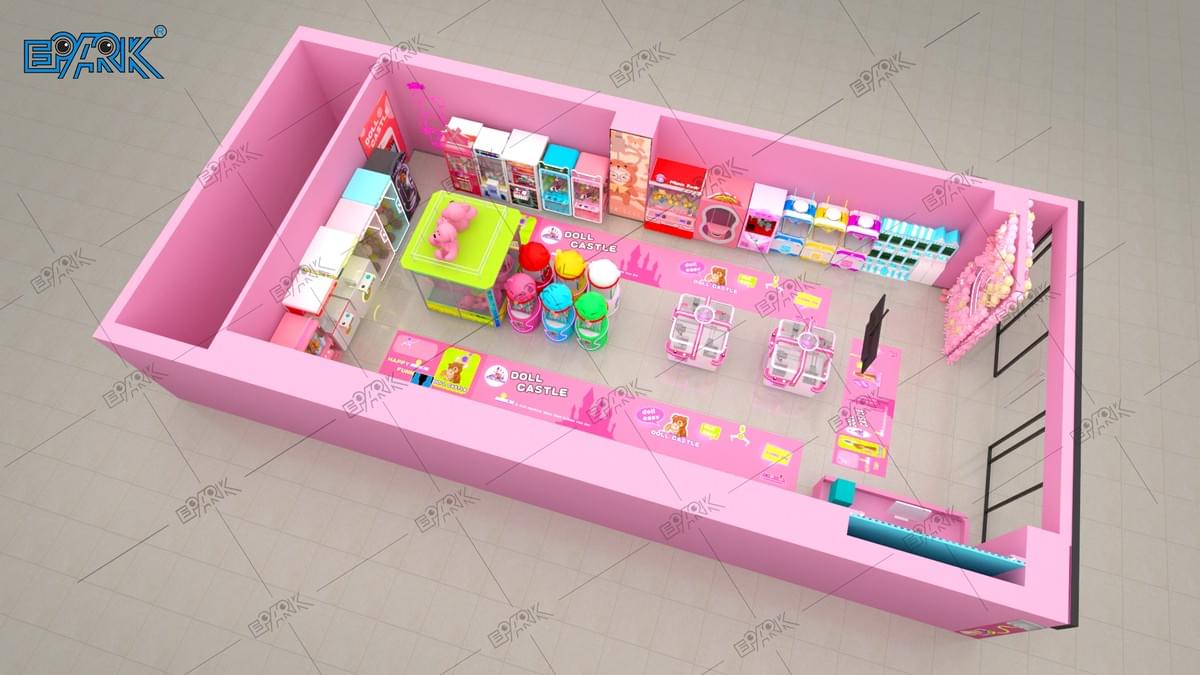
For larger entertainment projects, suppliers may support:
- Layout planning
- Equipment combinations
- Installation guidance
EPARK's supplied company profile indicates it provides amusement equipment manufacturing, OEM/ODM services, project planning and technical support for global entertainment projects.
Practical Checklist Before Starting a Claw Machine Business
Before investing, evaluate:
Business Planning
☐ Target customers identified
☐ Location evaluated
☐ Revenue model understood
☐ Operating costs calculated
Equipment Selection
☐ Machine type matches location
☐ Prize size compatibility confirmed
☐ Payment system suitable
☐ Spare parts available
Supplier Evaluation
☐ Factory capability checked
☐ Quality testing confirmed
☐ Customization options understood
☐ After-sales support available
Frequently Asked Questions
Is a claw machine business profitable?
A claw machine business can generate revenue, but profitability depends on location, customer traffic, prize strategy, operating costs, and equipment management.
How much can a claw machine make per month?
Revenue varies significantly depending on market, location, pricing, and customer traffic. Operators should calculate based on their specific business conditions rather than relying on fixed estimates.
What affects claw machine ROI the most?
Major factors include location quality, machine utilization, prize cost, maintenance expenses, and customer experience.
Is buying a cheaper claw machine better for ROI?
Not necessarily. Lower purchase cost may come with higher maintenance requirements or shorter service life. Total operating cost should be considered.
What type of location is best for claw machines?
Locations with strong customer traffic and suitable audiences, such as entertainment centers, malls and family-oriented venues, are commonly considered.
How can I improve claw machine profits?
Operators can improve performance by:
- Optimizing location
- Updating prizes
- Maintaining machines
- Improving customer experience
- Selecting suitable equipment
Conclusion: Build ROI Through Better Planning
The profitability of a claw machine business depends on much more than buying a machine and placing it somewhere.
Successful operators evaluate:
- Customer traffic
- Location quality
- Prize strategy
- Equipment reliability
- Operating costs
- Supplier support
The right claw machine manufacturer can become a long-term business partner by helping with equipment selection, customization, maintenance support, and project planning.
Before starting your claw machine business, prepare your venue information, target customers, prize strategy and investment plan.
A well-planned setup creates a stronger foundation for sustainable ROI.
